I build the parts nobody demos.
Backend and platform engineer in Ho Chi Minh City, 9 years on Go and gRPC services and the platforms teams run on top of them — currently technical manager at Gearment. I get called in for the service that has to stay up, the migration that cannot lose a row, and the failure nobody can reproduce yet.
- Career Leading engineering at Gearment now, with roles before that in fintech, edtech, and ride-hailing
- Project archive E-commerce, fintech, edtech, and ride-hailing, and the systems running underneath them
- Writing & open source Computer vision research, and how AI is actually changing engineering work
Built and led at
 Gearment
 Geniebook
 Velocity Labs
 Be Group
 Teko
Teko VNUHCM AI Lab
Career
Backend engineer to engineering manager, without stopping being an engineer
9 years across a US fulfillment platform, a Singapore EdTech company, Vietnam’s super-app, a retail tech group, and a studio I helped start — hired to build backends, then to lead the people building them.
- 2023 now
- Technical Manager Jan 2026 – present
- Technical Lead Oct 2023 – Dec 2025
US-based print-on-demand and fulfillment company, processing millions of orders a year for e-commerce sellers worldwide
- 2022 2023
- Technical Lead Aug 2022 – Sep 2023
AI-powered EdTech platform based in Singapore, serving 300K+ students across Southeast Asia
- 2021 now
- Founding Member 2021 – present
Engineering studio — backend systems for exchanges, fintech and marketplaces
7 of these projects are written up in the archive
- 2021 2022
- Software Engineer Lead May 2022 – Aug 2022
- Senior Software Engineer Feb 2021 – Apr 2022
Vietnam's super-app ecosystem, 25M+ users across ride-hailing, delivery, and fintech (Cake Digital Bank)
- 2018 2021
- Backend Software Engineer Jul 2018 – Feb 2021
Core technology arm of VNLife, building e-commerce, payments, and logistics for Vietnam's largest retail ecosystem
- 2017 2018
- Software Engineer (Contract) Jun 2017 – Nov 2018
AI research lab at Vietnam's top science university, working on computer vision and real-world education technology
45 projects from across all of it are documented individually — named, dated, and labelled by who actually owns them. Read the archive →
What I can help with
Full-time, project-based, or advisory — whichever fits
Full-time roles
Backend/platform engineering or technical leadership, in-house. Currently Technical Manager at Gearment — open to hearing about something worth moving for.
Project-based work
Defined-scope engagements, handed off clean when they're done.
- Backend reliability diagnostic — a focused 5-day investigation, failure map and remediation plan
- Go/gRPC production hardening — a 2–4 week sprint to production-ready
- Migrations that can't afford to lose a row
Consulting & advisory
Part-time technical direction for teams that need senior judgment without a full-time hire.
- Fractional technical lead — architecture, delivery, mentoring
- Contract engagements & expert calls
- Speaking & workshops
Writing & open source
Notes on what took me too long to work out
dev.to 2026
We Don't Give AI Autonomy. We Allocate It.
AI autonomy isn't a single on/off switch — it should be allocated per task by reward, risk, and available evidence, with workflows designed as graphs of specialized nodes and explicit decision boundaries.
Read itHacker Noon 2026
AI Makes Code Cheap, But Engineering Judgment Expensive
AI has made writing code fast and cheap, which moves the real bottleneck in software work to judgment — knowing what to build, when to trust generated code, and when not to.
Read itMedium 2021
Implementing common Go HTTP middleware
Middleware as a wrapper that runs before and after the main handler, keeping business logic free of cross-cutting concerns like logging, auth, and tracing.
Read itAbout
Where this comes from
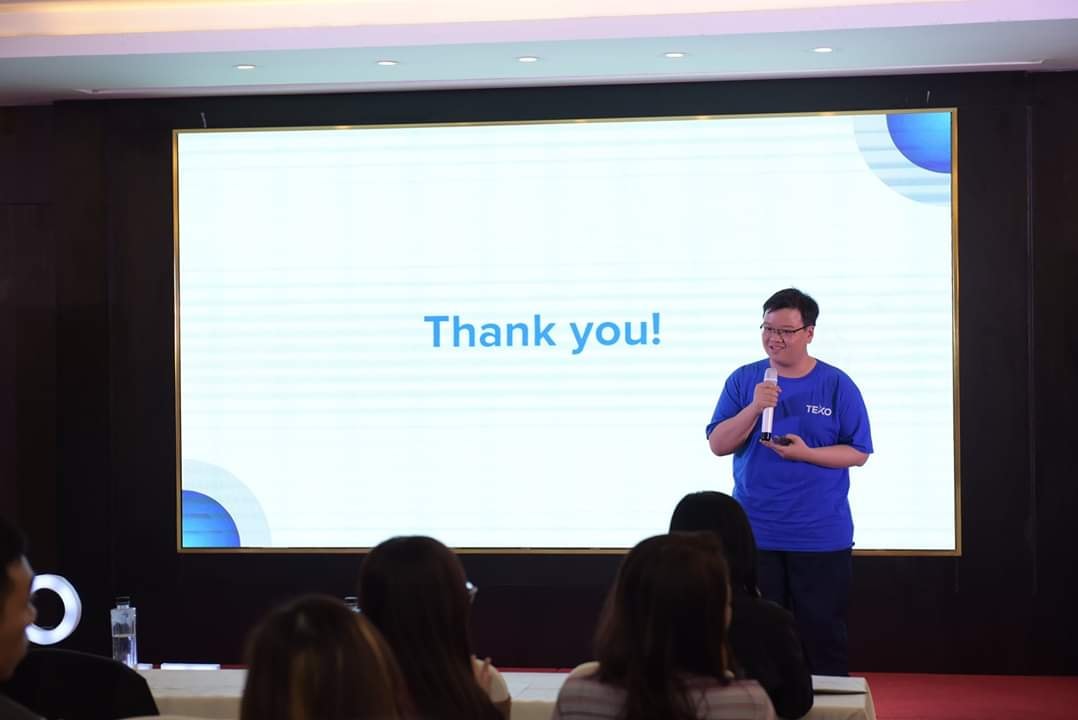
I started in a university AI lab doing computer vision — segmentation, face tracking, a couple of papers, and a Python textbook for students who had almost nothing to learn from in Vietnamese. The research didn’t stick as a career. The habit did: read the signal before touching anything. It shows up more in how I debug now than in what I build.
Everything since has been backend, and the through-line is infrastructure other people build on — order systems, internal platforms, the services under someone else’s product. At some point the leverage moves from writing that to deciding how it gets written, which is how I ended up leading teams rather than only shipping code. I still write code every week; a manager who can’t read the diff isn’t much use in a review.
What’s reusable, I publish — libraries, a gRPC framework, patches upstream on projects that aren’t mine. Lately most of my attention goes to where LLM tooling genuinely helps an engineering team and where it quietly makes things worse.
Have a backend problem worth a second opinion?
Tell me what's failing and what you've already tried. I'll reply with whether I think I can help.